

← View All Buying Guides

Chairs & Seating Buying Guide

Chairs and seating shape how students learn, collaborate, and feel comfortable in the classroom. From standard stack chairs to active seating that lets students move, the right choice depends on age group, room layout, and how the space gets used. Here is a complete guide to help you find the right chairs and seating for your school.

School Outlet's Tips

  • Ergonomic Design

    Look for chairs with contoured seats that promote proper posture, lumbar support to reduce back strain, and seat heights matched to the student's age. Ergonomic features help prevent fatigue and discomfort during extended sitting periods, supporting better focus and learning throughout the day.

  • Age and Seat Height

    Match seat height to the students using the chair. Preschool seats run 7 to 13 inches, elementary 12 to 15 inches, middle and high school 15 to 18 inches, and adult or college 18 inches and up. Proper sizing supports posture and keeps feet flat on the floor.

  • Material and Durability

    Polypropylene and polyethylene shells handle daily classroom use and clean easily. Hardwood frames bring durability with a classic look. Upholstered seats add comfort for longer sit times but need more maintenance. Choose materials based on traffic, age group, and cleaning needs.

  • Stackability and Storage

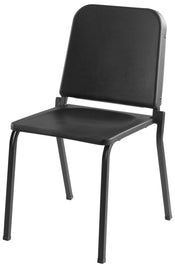
    Stackable chairs free up classroom space when not in use. Most school chairs stack 6 to 14 high, and chair dollies make moving stacks easy. Folding chairs collapse flat for storage against walls or on carts, ideal for multipurpose rooms and overflow seating.

  • Movement and Flexibility

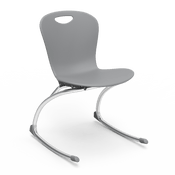
    Active seating like rocking chairs, wobble stools, and flex-back chairs lets students move while staying focused. These options give restless students a safe outlet for movement, which can improve focus and reduce disruption in the classroom.

  • Safety and Certifications

    Look for BIFMA certification for strength and durability standards. GREENGUARD Gold certification means low chemical emissions for healthier indoor air. CPSIA compliance is essential for any chairs used by children. Check weight capacity ratings to match the age group using the chair.

Chairs & Seating

Frequently Asked Questions About Chairs & Seating

Match seat height to student age. Preschool students need 7 to 13 inch seat heights, elementary students need 12 to 15 inches, middle and high school students need 15 to 18 inches, and adults or college students need 18 inches and up. Students should sit with their feet flat on the floor and their knees bent at roughly 90 degrees for proper posture.

Most school chairs stack 6 to 14 high, depending on the model. Lightweight plastic stack chairs typically stack higher than upholstered or padded versions. Chair dollies hold full stacks and let one person move dozens of chairs at once. Check the product specs for maximum stack height before storing.

Four-leg chairs sit on individual legs and offer maximum stability for traditional classroom seating. Sled-base chairs use two continuous runners instead of individual legs, which glide smoothly over carpet without snagging and won't dig into soft flooring. Sled-base chairs also tend to be quieter when moved.

For many students, yes. Wobble stools, rocking chairs, and flex-back chairs give restless students a safe outlet for movement, which can improve focus and reduce disruption. Active seating is especially helpful for students with ADHD, sensory processing needs, or anyone who learns better with subtle motion. Most classrooms benefit from a mix of traditional and active seating options.

Polypropylene and polyethylene shells wipe clean with mild soap and water or standard disinfectant. Avoid abrasive cleaners that can scratch the finish. Upholstered chairs need vacuuming and spot cleaning with appropriate fabric cleaners. Inspect frames periodically for loose hardware and tighten bolts as needed.

BIFMA certification confirms the chair meets industry standards for strength, safety, and durability. GREENGUARD Gold certification means the chair has been tested for low chemical emissions, making it safer for indoor classroom air quality. CPSIA compliance is required for any furniture used by children under 12. Many quality school chairs carry all three certifications.